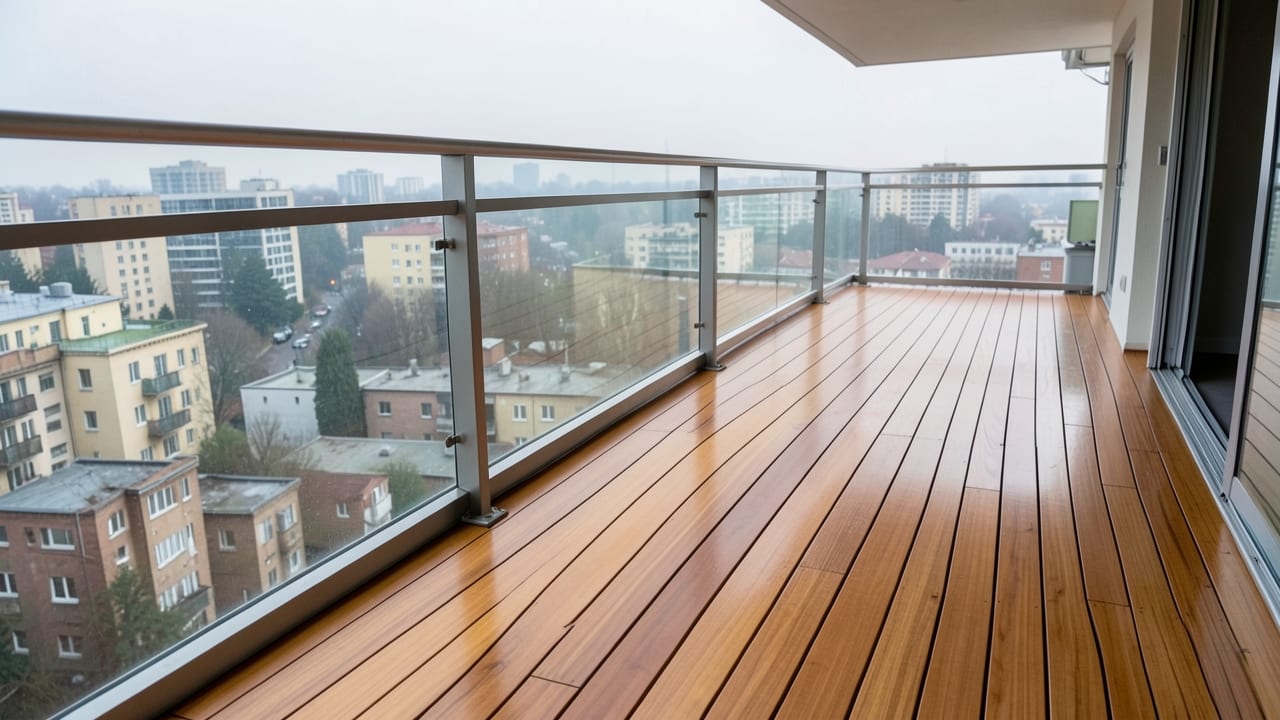
Balcony Mold Cleanup
Professional removal and treatment of mold growth on balconies and adjacent structures.
Balcony mold in Hudson, MA, thrives in damp, shaded areas like railings, deck supports, and under-structures. Professional cleanup involves containment, targeted removal, and moisture control to prevent regrowth.
Left unchecked, mold spreads and damages materials, posing health risks. Understanding when to act and what to expect helps homeowners address the issue effectively.
We also handle Mold & Asbestos Testing and HVAC Mold Remediation for Hudson properties.
When balcony mold needs professional attention
Mold on a balcony can often be mistaken for dirt or mildew, but certain signs indicate it’s time for professional cleanup. Visible growth covering more than a small, isolated patch—typically over 25 square feet—suggests the problem has gone beyond a simple wipe-down.
If mold keeps returning after cleaning, it usually means the moisture source, such as a leak or poor drainage, hasn’t been addressed. A musty smell with no visible mold, especially when the HVAC system is running, may signal hidden growth in walls, ducts, or under flooring.
Balconies in Hudson, MA, are particularly vulnerable due to seasonal humidity, shaded areas, and potential water pooling. Acting early can save time and money, but ignoring these signs often leads to larger, costlier remediation down the line.
Signs Professional Cleanup Is Needed
- Mold covers more than a small, isolated patch (25+ square feet).
- Growth returns within weeks after cleaning, even with repeated efforts.
- A musty smell persists with no visible mold, especially near HVAC vents or in enclosed spaces.
- Mold appears on multiple surfaces (railings, decking, framing) or in hard-to-reach areas like under-structures.
What affects the cost and timeline?
The cost of balcony mold cleanup in Hudson varies based on the size of the affected area, the type of mold, and the materials involved. Surface-level mold on non-porous materials like tile or framing is less expensive to treat than deeply embedded growth in porous materials like wood or drywall.
Black mold, which requires specialized handling, can increase costs by 15-25% compared to standard mold. The timeline depends on containment setup, drying requirements, and whether hidden moisture sources need to be addressed.
Professionals use containment, HEPA filtration, and clearance testing to ensure the job is thorough. Skipping these steps can lead to incomplete removal and faster regrowth. Always confirm whether a quote includes inspection, testing, and post-remediation verification—these details make a big difference in long-term results.
Common mistakes to avoid
DIY attempts with household cleaners often fail to remove mold roots or address moisture issues, leading to regrowth. Using non-HEPA vacuums or air scrubbers recirculates spores instead of capturing them, worsening contamination.
Skipping containment allows spores to spread to unaffected areas, turning a small job into a larger one. Without fixing the moisture source—whether a leak, poor drainage, or high humidity—the mold will return.
Always verify that a contractor uses proper containment, HEPA filtration, and clearance testing. A written scope of work and transparent pricing prevent surprises later. If a quote seems unusually low, it may exclude critical steps like testing or moisture control.
Avoid bids that exclude containment, clearance testing, or moisture-source fixes. Pressure to sign during the inspection visit or requests for full payment upfront are also warning signs of incomplete service.
How balcony mold cleanup works
Professional cleanup follows a structured process to safely remove mold and prevent regrowth.
- 1Containment Setup
Plastic sheeting and negative-air machines seal off the balcony area to prevent spores from spreading to other parts of the home during removal.
- 2Mold Removal
Porous materials like wood or drywall that absorb mold are cut out and disposed of, while non-porous surfaces like tile or metal are scrubbed with specialized solutions.
- 3HEPA Filtration and Cleanup
HEPA air scrubbers run continuously to capture airborne spores, and surfaces are vacuumed with HEPA-filtered equipment to ensure spores aren’t recirculated.
- 4Structural Drying
Industrial dehumidifiers and air movers dry framing and subfloors to normal moisture levels, as mold regrows on damp materials even after visible traces are removed.
- 5Clearance Testing
An independent lab tests air or surface samples post-remediation to confirm spore counts are back to normal before containment is removed.
Frequently asked questions
How do I know if my balcony mold is serious enough to need professional help?
If the mold covers more than 25 square feet, keeps returning after cleaning, or you notice a musty smell with no visible growth, it’s time for professional cleanup. Hidden moisture sources or extensive damage often require specialized equipment and techniques.
Will insurance cover balcony mold cleanup?
Coverage depends on your policy and whether the mold resulted from a covered event like a leak or storm damage. Review your homeowners insurance or contact your provider to confirm what’s included before hiring a contractor.
How long does the cleanup process take?
The timeline varies based on the size of the affected area and whether hidden moisture issues need to be addressed. Containment, removal, drying, and testing can take anywhere from a few days to over a week for larger or complex jobs.
Can I clean my balcony mold myself, or should I hire a professional?
Small, isolated patches can sometimes be cleaned with bleach or vinegar, but professional help is recommended for larger areas, hidden growth, or if mold keeps returning. Professionals use containment, HEPA filtration, and clearance testing to ensure spores aren’t spread or left behind.
Where Hudson sits, and what the Census lists nearby
Hudson sits in Massachusetts, and the closest places listed in the U.S. Census Gazetteer are Marlborough (3.1 miles south), Maynard (6 miles northeast), Clinton (6.5 miles west), Northborough (7 miles southwest). Within 25 miles of Hudson the same source lists 61 distinct incorporated places and census-designated places.
Those figures matter for balcony mold cleanup because they are straight-line distances between Census coordinate points: road mileage between Hudson and Marlborough runs longer than the 3.1 miles shown, which is why quotes for the same job differ between towns that look close together on a map.
Source: U.S. Census Bureau Gazetteer.
See Worcester, MA for more, or discover everything Hudson homeowners can book with us by neighborhood for our complete lineup.
Ready to get started?
Talk to a local mold remediation pro in Hudson — get a written quote.
Other Mold Remediation Services in Hudson
Mold & Asbestos Testing in Hudson, MA
Combined mold and asbestos testing in Hudson, MA — one inspection visit, lab-verified results for both.
Learn More
HVAC Mold Remediation in Hudson, MA
HVAC and ductwork mold remediation in Hudson, MA — mold growing inside the air handler or duct system, spreading through every vent.
Learn More
Drywall Mold Remediation in Hudson, MA
Professional removal and treatment of mold growth behind or on drywall surfaces.
Learn More
Bathroom Mold Removal in Hudson, MA
Professional assessment and removal of mold in bathrooms to restore a safe, clean environment.
Learn More
Carpet Mold Treatment in Hudson, MA
Professional assessment and removal of mold growth from carpets to restore a safe indoor environment.
Learn More
Concrete Mold Remediation in Hudson, MA
Professional removal and treatment of mold from concrete surfaces in homes.
Learn MoreCommon Questions About Mold Remediation in Hudson
Everything you need to know about mold remediation services in Hudson
How much does Balcony Mold Cleanup typically cost in Hudson, MA?
Why does Hudson, MA's humidity make mold a bigger risk than in drier regions?
Does mold mean the same thing as mildew?
Does homeowners insurance typically cover mold remediation?
Is black mold actually more dangerous than other mold types?
How long does a typical mold remediation job take?
Need Mold Remediation in Hudson?
Connect with local providers in Hudson for a detailed quote.
⏰ We answer your call • Serving all of Hudson and surrounding areas