Why Your Hudson Basement Keeps Getting Moldy (And How to Fix It)
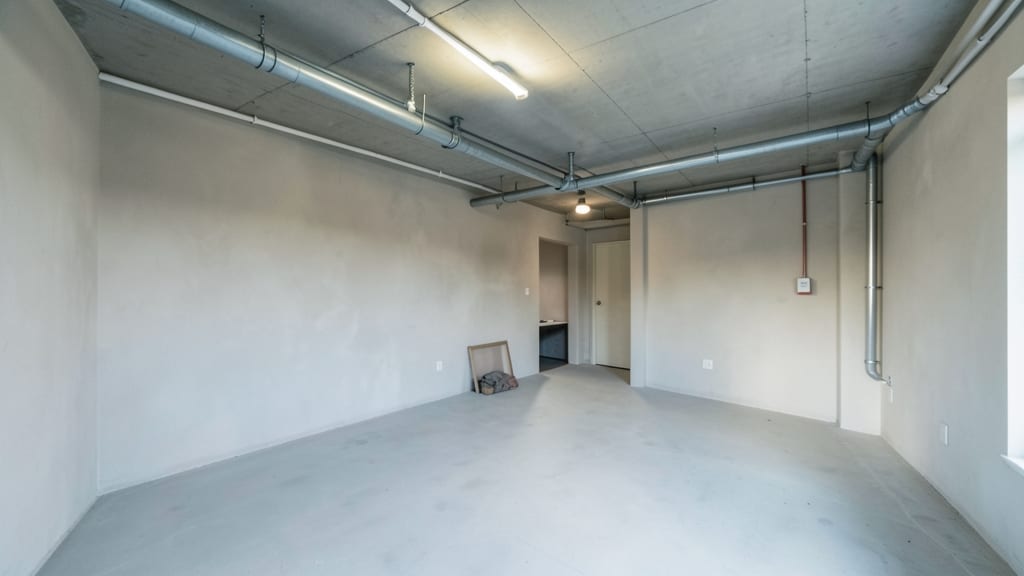
Basements in our area battle persistent moisture from humid summers, melting snow, and poor drainage. That moisture fuels mold growth on organic materials like wood, drywall, and cardboard. We’ll break down why it keeps coming back and the proven steps to stop it.
The Root Cause: Moisture Is the Real Enemy
Mold can’t grow without moisture. In Hudson, basements often suffer from high humidity, leaks through foundation cracks, or condensation on cold surfaces. Even small amounts of water over time create ideal conditions for spores to colonize.
Poor grading around the home, clogged gutters, or inadequate downspout extensions can channel water toward your foundation. Interior sources like laundry, showers, or improperly vented dryers add to the problem.
Common Signs of a Mold Problem You Might Be Missing
Visible mold is obvious, but musty odors, water stains, or peeling paint are early warnings. Check behind stored items, under carpets, and around HVAC vents—mold thrives in hidden, undisturbed spaces.
Allergic reactions—sneezing, itchy eyes, or skin irritation—when downstairs often signal airborne spores. Don’t ignore these signs; they worsen over time.
Hidden Mold Hotspots in Basements
- Behind drywall or paneling
- Under carpet padding or rugs
- Inside or behind insulation
- Around plumbing pipes and sump pumps
- On or behind stored cardboard boxes
- Within HVAC ductwork or vents
Hudson’s Climate: A Perfect Storm for Basement Mold
Our region’s cold winters and warm, humid summers create a cycle of condensation. In spring and fall, temperature swings cause moisture to form on basement walls and floors. Without proper ventilation, that moisture lingers.
Heavy rainfall and snowmelt, common in areas like Marlborough or Framingham, can overwhelm drainage systems. Even homes in drier pockets like Groton or Littleton Common aren’t immune if grading is poor.
DIY vs. Professional Remediation: What’s the Difference?
Bleach and scrubbing only remove surface mold and can worsen the problem by driving spores deeper into porous materials. DIY efforts often miss hidden colonies, leaving the root issue untouched.
Professional remediation includes containment, HEPA filtration, antimicrobial treatments, and moisture control. We also address the source—whether it’s a leak, high humidity, or poor airflow—to prevent recurrence.
| Approach | Surface-Level Fix | Long-Term Solution | Safety & Effectiveness |
|---|---|---|---|
| DIY (Bleach, Scrubbing) | Yes | No | Low; risk of cross-contamination |
| Professional Remediation | Yes | Yes | High; contains spores, treats root cause |
The Remediation Process: What to Expect
First, we isolate the affected area with plastic sheeting to prevent spore spread. Negative air pressure machines pull contaminated air outside, while HEPA vacuums capture airborne particles.
Next, we remove and dispose of porous materials like drywall or insulation that can’t be salvaged. Non-porous surfaces are cleaned with antimicrobial solutions. Finally, we dry the space and implement moisture controls to stop regrowth.
Never run your HVAC system during remediation—it can spread spores throughout the house. Professionals use sealed containment to avoid this.
Moisture Control: The Key to Keeping Mold From Returning
Fixing leaks, improving drainage, and sealing cracks are critical. Install a dehumidifier set below 50% humidity, and ensure it drains automatically. Consider a sump pump or French drain for chronic water issues.
In older homes common in areas like Clinton or Maynard, poor ventilation exacerbates the problem. Adding vents or an ERV (Energy Recovery Ventilator) can help circulate air and reduce humidity.
When to Call in the Pros: Red Flags You Shouldn’t Ignore
If mold covers more than 10 square feet, or if it’s in your HVAC system, call a professional. Black mold (Stachybotrys) or mold in hard-to-reach areas like crawl spaces or attics requires expert handling.
Health symptoms or recurring mold after DIY cleaning are clear signs you need a thorough inspection. We serve Hudson and nearby towns like Nashua, Merrimack, and Marlborough with tailored solutions.
Agitating large colonies releases spores into the air, increasing health risks. Containment and professional removal are essential for safety.
Prevention Tips for Hudson Homeowners
Regularly inspect your basement for leaks, condensation, or musty odors. Clean gutters and extend downspouts at least 5 feet from your foundation. Use moisture-resistant materials like paperless drywall or closed-cell insulation.
In areas prone to flooding, like parts of Worcester or Leominster, consider a backup sump pump or a water alarm. For finished basements, use area rugs instead of wall-to-wall carpeting to allow airflow.
How to Inspect Your Basement for Mold
A thorough inspection can catch mold early before it spreads.
- 1Gather Supplies
Use a flashlight, moisture meter (optional), and a notepad to document findings. Wear a mask and gloves for protection.
- 2Check for Visible Signs
Look for black, green, white, or gray patches on walls, ceilings, and floors. Pay attention to corners and areas near pipes.
- 3Follow Your Nose
Musty odors indicate hidden mold. Sniff around stored items, behind furniture, and near HVAC vents.
- 4Inspect for Moisture
Feel for dampness on surfaces and check for water stains or efflorescence (white mineral deposits) on concrete.
- 5Examine Hidden Areas
Move stored items and lift carpet edges. Use a moisture meter to check for high levels in drywall or wood.
- 6Document and Act
Note the location and extent of any mold or moisture. If you find significant growth, contact a professional for testing and remediation.
Frequently Asked Questions
How quickly can mold grow in a Hudson basement after a leak?
Mold can begin growing within 24 to 48 hours of water exposure, especially in warm, humid conditions. That’s why prompt water damage restoration is critical to prevent colonization.
Is basement mold dangerous to my family’s health?
Yes, prolonged exposure to mold spores can trigger allergies, respiratory issues, and other health problems—especially in children, the elderly, or those with compromised immune systems. Black mold (Stachybotrys) is particularly concerning.
Can I just paint over mold to hide it?
No. Painting over mold without addressing the moisture source and removing the colony will only trap spores, leading to further growth beneath the paint. Always remediate first, then repaint with mold-resistant products.
Why does mold keep coming back after I clean it?
If you’re only cleaning surface mold without fixing the underlying moisture issue—such as leaks, high humidity, or poor ventilation—the problem will recur. Professional remediation includes moisture control to prevent regrowth.
Do you serve areas near Hudson like Nashua or Marlborough?
Yes, our team provides mold inspection, testing, and remediation across Hudson and surrounding communities, including Nashua, Marlborough, Framingham, and beyond. Each area has unique challenges we’re equipped to handle.
What’s the difference between mold testing and mold inspection?
A mold inspection visually assesses for signs of mold and moisture issues. Mold testing involves collecting air or surface samples to identify spore types and concentrations, which helps determine the best remediation approach.