Residential vs. Commercial Mold Remediation: Key Differences in Hudson
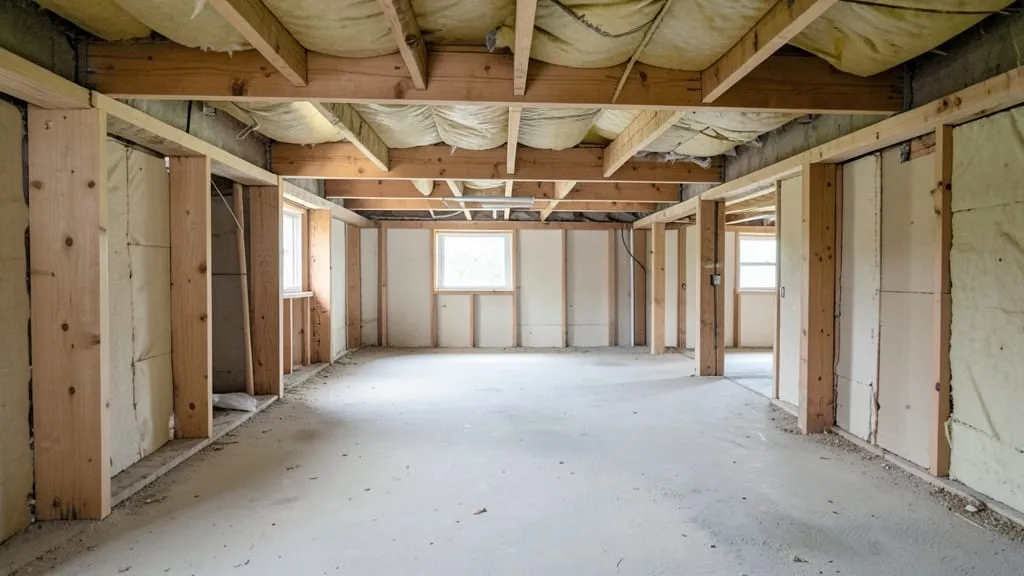
Mold remediation in a Hudson home follows a different playbook than in a warehouse, school, or retail space. The scale, regulations, and structural complexities demand distinct approaches, timelines, and safety protocols. Knowing these differences helps property owners set realistic expectations and ensure thorough, compliant remediation.
Scale and Complexity of the Project
Residential mold remediation typically targets contained areas like basements, bathrooms, or attics. The work often involves smaller, isolated zones where moisture intrusion is localized to plumbing leaks, poor ventilation, or condensation.
Commercial projects in Hudson or nearby Marlborough and Worcester often span entire floors, HVAC systems, or multiple tenant spaces. Large buildings require coordinated logistics, phased remediation, and minimal disruption to operations.
Regulatory and Compliance Requirements
Residential remediation in Massachusetts follows state and local guidelines, but compliance is generally less stringent. Homeowners should verify that the work meets Massachusetts Department of Public Health (DPH) recommendations for indoor air quality.
Commercial properties face stricter oversight. OSHA, EPA, and local health departments may impose additional requirements, especially in schools, hospitals, or food-service establishments like restaurants in Nashua or Framingham. Documentation and clearance testing are often mandatory.
Commercial remediation in Hudson often requires permits, particularly for large-scale or structural work. Always confirm with local building authorities before starting.
Containment and Air Filtration Needs
In homes, containment often uses plastic sheeting to isolate the affected area. Negative air pressure and HEPA air scrubbers prevent spores from spreading to clean zones during remediation.
Commercial spaces demand industrial-grade containment. Large buildings may need multiple containment zones, dedicated decontamination chambers, and high-capacity air filtration to protect occupants and adjacent businesses.
| Factor | Residential | Commercial |
|---|---|---|
| Containment Scale | Single-room or localized | Multi-room, floor, or building-wide |
| Air Filtration | Portable HEPA air scrubbers | Industrial HEPA units, negative air machines |
| Decontamination | On-site or off-site disposal | Dedicated decon chambers, waste protocols |
| Occupant Protection | Vacate affected area | Full building or phased evacuation |
Moisture Source Identification and Remediation
In Hudson homes, common moisture sources include leaky pipes, roof leaks, or poor attic ventilation. Remediation crews typically address these during the process to prevent recurrence.
Commercial buildings often have complex moisture issues: faulty HVAC systems, water intrusion from flat roofs, or plumbing in multi-story structures. Identifying and fixing the source may require engineers or specialized contractors, especially in older buildings in areas like Clinton or Leominster.
No remediation is permanent without fixing the moisture source. In commercial settings, this may involve coordinating with plumbers, roofers, or HVAC specialists.
Materials and Structural Considerations
Residential remediation often deals with drywall, carpet, and wood framing. Porous materials like drywall and insulation usually require removal, while non-porous surfaces can be cleaned and treated.
Commercial spaces feature diverse materials: concrete, metal ductwork, tile, and specialized finishes. Remediation may involve sealing concrete, cleaning HVAC ductwork, or treating large expanses of drywall in open-plan offices. Warehouses in Devens or Shirley may have unique challenges like metal corrosion or chemical storage areas.
Timeline and Business Disruption
Home remediation can often be completed in days, depending on the extent of mold and drying time. Homeowners may need to vacate temporarily, but the impact is usually limited to one household.
Commercial remediation can take weeks or longer, particularly if the building remains operational. Phased remediation, off-hours work, and tenant coordination are common in Hudson, Marlborough, or Worcester to minimize downtime and revenue loss.
Cost Factors: What Drives the Price
Residential costs hinge on the square footage affected, the type of materials, and the severity of the infestation. Attic or crawl space remediation may require additional labor for access and containment.
Commercial costs are driven by scale, complexity, and compliance. Large spaces, specialized equipment, permits, and potential business interruption all contribute. Properties in high-traffic areas like Nashua or Manchester may also face premiums for expedited services.
Key Cost Drivers to Discuss with Your Contractor
- Square footage and number of affected areas
- Type of materials (porous vs. non-porous)
- Severity and depth of mold penetration
- Need for structural repairs or moisture control systems
- Permit and compliance requirements
- Clearance testing and documentation
Clearance Testing and Documentation
Residential projects often conclude with a visual inspection and sometimes air or surface testing to confirm remediation success. Homeowners should request written clearance reports for their records.
Commercial remediation almost always requires third-party clearance testing. Detailed documentation is critical for liability, insurance, and reoccupancy permits, especially in sensitive environments like schools in Westborough or hospitals in Worcester.
How to Prepare for Mold Remediation in Hudson
Proper preparation ensures a smoother remediation process and reduces the risk of cross-contamination.
- 1Identify and Isolate the Affected Area
Work with a professional to map the mold’s extent. Seal off the area with plastic sheeting if possible to limit spore spread before crews arrive.
- 2Remove or Protect Belongings
Relocate furniture, electronics, and personal items from the work zone. For non-movable items, cover them with plastic to shield from dust and spores.
- 3Address Moisture Sources
Fix leaks, improve ventilation, or install dehumidifiers to prevent mold from returning. This step is critical before remediation begins.
- 4Plan for Occupancy Disruption
For residential projects, arrange temporary housing if needed. For commercial spaces, coordinate with tenants or employees to minimize operational impact.
- 5Request Clearance Testing
After remediation, insist on post-remediation verification (PRV) or clearance testing to confirm the mold has been effectively removed.
Frequently Asked Questions
Does commercial mold remediation in Hudson require special certifications?
While Massachusetts does not mandate state-specific certifications for mold remediation, commercial projects often require contractors with specialized training in large-scale containment, industrial hygiene, and OSHA compliance. Always verify a contractor’s qualifications and experience with commercial properties.
Can I stay in my home during mold remediation?
It depends on the extent of the mold and the remediation methods. For small, contained projects, you may be able to stay in unaffected areas. However, for large or severe infestations—especially those involving toxic mold like Stachybotrys—temporary relocation is recommended to avoid exposure to spores and remediation chemicals.
How do I know if my Hudson business needs professional mold remediation?
Signs include visible mold growth, musty odors, water stains, or reports of health symptoms (e.g., respiratory issues, allergies) among occupants. If mold covers more than 10 square feet, or if it’s in HVAC systems or hard-to-reach areas, professional remediation is strongly advised. A mold inspection can confirm the need.
What’s the difference between mold removal and mold remediation?
Mold removal refers to the physical act of cleaning or eliminating mold from surfaces. Mold remediation is a comprehensive process that includes removal, addressing the moisture source, and preventing recurrence. Remediation ensures the problem is resolved long-term, not just temporarily masked.
Are there specific Hudson or Massachusetts regulations for commercial mold remediation?
Massachusetts follows general guidelines from the EPA and OSHA, but local health departments may have additional requirements. Commercial properties, especially those serving the public (e.g., schools, hospitals, restaurants), often face stricter scrutiny. Always check with Hudson’s health department or a local remediation expert for project-specific compliance.
Can mold return after remediation?
Yes, if the moisture source isn’t fully resolved or if the area is re-exposed to water. Proper remediation includes fixing leaks, improving ventilation, and implementing moisture control measures. Regular inspections and maintenance can help prevent recurrence, particularly in humidity-prone areas like basements or crawl spaces.