Identifying Symptoms of Mold-Related Illnesses in Hudson Residents
Mold in Hudson homes often goes unnoticed until health symptoms appear. Recognizing the signs of mold-related illness early can prompt timely mold inspection and remediation. Residents should watch for persistent issues that worsen indoors or in damp areas of the house.
Common Health Symptoms Linked to Mold Exposure
Respiratory problems are the most frequent signs of mold exposure. Coughing, wheezing, and throat irritation often flare up in damp or poorly ventilated spaces like basements or bathrooms.
Chronic sinus congestion or frequent sinus infections can indicate ongoing mold exposure. These symptoms may improve when away from home but return upon re-entry.
Skin rashes, itching, or hives may develop, especially in individuals with mold allergies. Direct contact with moldy surfaces or inhaling spores can trigger these reactions.
Severe and Long-Term Effects of Mold Exposure
Prolonged exposure to toxic molds like Stachybotrys can lead to neurological symptoms. Headaches, memory loss, and difficulty concentrating may emerge over time.
Individuals with compromised immune systems are at higher risk for severe reactions. Mold spores can exacerbate conditions like asthma or lead to systemic infections.
Chronic fatigue and joint pain are less common but reported symptoms. These often overlap with other illnesses, making mold exposure easy to overlook.
Consult a healthcare provider if symptoms persist or worsen indoors. Severe reactions, such as difficulty breathing or persistent fever, require immediate care.
Mold Hotspots in Hudson Homes
Basements and crawl spaces are prime locations for mold growth due to high humidity and poor airflow. Water intrusion from heavy rains or melting snow in New England winters compounds the issue.
Attics often harbor mold when roof leaks or condensation go unaddressed. Insulation can trap moisture, creating an ideal environment for spores to thrive.
Bathrooms, kitchens, and laundry rooms are common culprits. Poor ventilation and frequent moisture exposure make these areas susceptible to mold colonies.
How Mold Affects Different Groups
Children may experience more severe respiratory symptoms due to developing immune systems. Unexplained coughs or asthma-like symptoms should raise concerns about indoor mold.
Elderly residents often face heightened sensitivity to mold. Pre-existing conditions like COPD or allergies can be aggravated by even low levels of exposure.
Pets can also show signs of mold-related illness. Symptoms like excessive scratching, sneezing, or lethargy may indicate a problem in the home environment.
| Group | Common Symptoms | Severe Risks |
|---|---|---|
| Children | Coughing, wheezing, skin rashes | Asthma development, chronic respiratory issues |
| Elderly | Sinusitis, fatigue, joint pain | Exacerbated COPD, immune suppression |
| Pets | Sneezing, itching, lethargy | Respiratory distress, skin infections |
Distinguishing Mold Symptoms from Other Illnesses
Mold-related symptoms often mimic allergies or colds. However, they tend to persist or recur in specific locations, such as a musty-smelling basement or a damp bathroom.
Seasonal allergies typically align with pollen counts, while mold symptoms can occur year-round. Indoor humidity levels above 60% in Hudson’s humid summers can sustain mold growth.
A key indicator is symptom relief when away from home. If issues diminish during vacations or extended outings, indoor mold may be the culprit.
Keep a symptom diary to note when and where reactions occur. This can help identify mold hotspots and guide remediation efforts.
Indoor Air Quality and Mold Spores
Mold spores are microscopic and can remain airborne for extended periods. HVAC systems in Hudson homes can circulate spores, spreading contamination throughout the house.
Poor ventilation traps moisture and spores indoors. Areas like Nashua or Marlborough, with similar climates, often face comparable indoor air quality challenges.
Air quality testing can detect elevated spore levels. Professional mold testing is recommended if health symptoms persist without a clear cause.
Preventive Measures to Reduce Mold Exposure
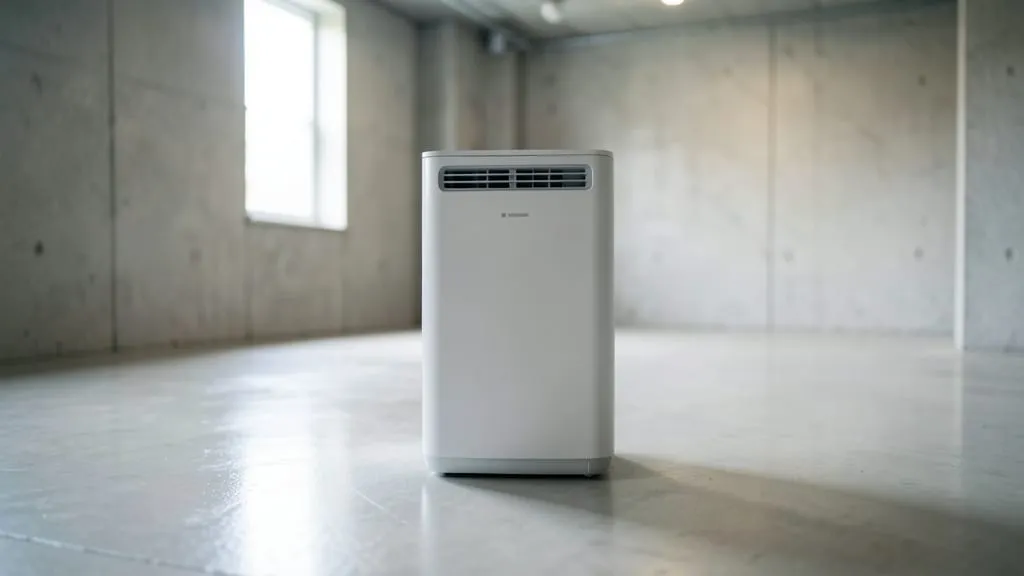
Controlling indoor humidity is critical. Use dehumidifiers in basements and crawl spaces, especially during Hudson’s damp springs and falls.
Promptly address water damage from leaks or flooding. Mold can begin growing within 24-48 hours of water intrusion, so quick action is essential.
Regularly clean and inspect HVAC systems. Mold in ductwork can spread spores efficiently, affecting air quality throughout the home.
Mold Prevention Checklist
- Maintain indoor humidity below 60% with dehumidifiers
- Inspect roofs, pipes, and windows for leaks annually
- Use exhaust fans in bathrooms and kitchens
- Clean and dry water-damaged areas within 48 hours
- Schedule professional HVAC duct cleaning if mold is suspected
How to Assess Your Home for Mold-Related Health Risks
Follow these steps to identify potential mold issues linked to health symptoms.
- 1Monitor Symptoms
Note when and where symptoms occur. Pay attention to patterns tied to specific rooms or times of day.
- 2Inspect for Visible Mold
Check damp or poorly ventilated areas like basements, attics, and bathrooms. Look for discoloration, water stains, or musty odors.
- 3Test Indoor Air Quality
Use a home mold test kit or hire a professional for air quality testing. Compare indoor spore levels to outdoor baselines.
- 4Measure Humidity Levels
Use a hygrometer to check humidity in problem areas. Levels above 60% require intervention to prevent mold growth.
- 5Consult a Professional
If symptoms persist or mold is found, request a quote from a local mold remediation specialist. Address water damage and contamination promptly.
Frequently Asked Questions
Can mold in my Hudson home cause long-term health problems?
Yes, prolonged exposure to mold, especially toxic varieties like Stachybotrys, can lead to chronic respiratory issues, neurological symptoms, or immune system suppression. Early detection and remediation reduce these risks.
How can I tell if my symptoms are from mold or allergies?
Mold-related symptoms often worsen indoors or in specific areas of the home. If symptoms improve when you’re away and return upon re-entry, mold may be the cause. Allergies typically align with seasonal pollen counts.
Are certain types of mold more dangerous than others?
Toxic molds like Stachybotrys (black mold) and Aspergillus produce mycotoxins that pose greater health risks. However, all mold should be addressed, as even common molds can trigger allergic reactions or respiratory issues.
What should I do if I suspect mold but can’t see it?
Hidden mold often grows behind walls, under flooring, or in HVAC systems. Professional mold testing, including air and surface sampling, can detect non-visible contamination. Address moisture sources to prevent further growth.
Is it safe to stay in my home during mold remediation?
This depends on the extent of contamination and the type of mold. For small, contained areas, it may be safe to stay, but large or toxic mold infestations often require temporary relocation. Always follow the guidance of a mold remediation professional.
How does Hudson’s climate contribute to mold growth?
Hudson’s humid summers and cold, wet winters create ideal conditions for mold. High indoor humidity, condensation, and water intrusion from rain or snowmelt can sustain mold colonies year-round. Proper ventilation and moisture control are essential.