How Mold Remediation in Hudson Can Safeguard Your Health and Home
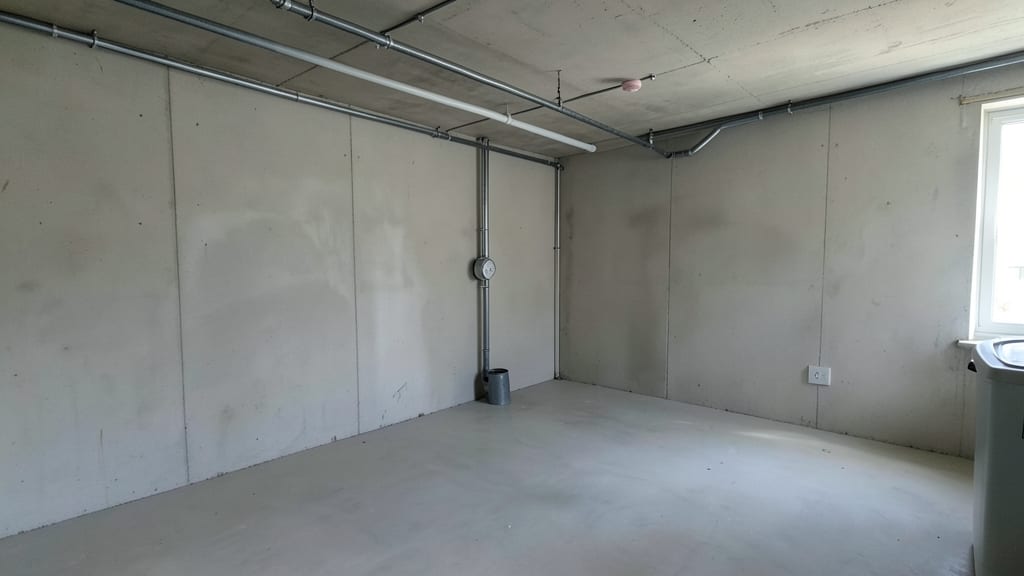
Mold isn’t just an eyesore—it’s a silent threat to your health and home’s integrity. In our region’s humid summers and damp falls, spores thrive in hidden spaces like basements, attics, and HVAC systems. We’ll show you how professional mold remediation stops the spread and restores safety.
Why Mold in Hudson Homes Spreads So Quickly
New England’s climate—cold, wet winters and humid summers—creates ideal conditions for mold growth. Hudson’s older homes, especially in neighborhoods like Cordaville or Marlborough, often have poor ventilation or past water damage that accelerates infestations.
Basements, crawl spaces, and attics trap moisture from rain, snowmelt, or even daily activities like cooking. Without intervention, spores colonize drywall, insulation, and wood within 24–48 hours of water exposure.
Health Risks You Can’t Ignore
Exposure to mold spores can trigger allergies, asthma attacks, and respiratory infections. Black mold (Stachybotrys) produces mycotoxins linked to chronic sinusitis, fatigue, and even neurological symptoms in severe cases.
Children, the elderly, and those with compromised immune systems are most vulnerable. Even dead mold can release harmful particles—removal must be thorough and safe.
Agitating mold with bleach or DIY scrubbing can release millions of spores into the air, worsening contamination. Always call professionals for testing and removal.
Signs You Need Professional Mold Remediation
Visible mold is the obvious red flag, but musty odors, water stains, or peeling paint often signal hidden growth. In Hudson, we frequently find mold behind walls in bathrooms, under sinks, or in flood-prone basements near the Assabet River.
Unexplained health symptoms—like persistent coughs or headaches that improve when you’re away from home—can also indicate a mold problem. Air quality testing provides definitive answers.
Mold Remediation vs. DIY: What’s the Difference?
DIY mold removal often misses the root cause: excess moisture. Without fixing leaks, poor drainage, or high humidity, mold returns. Professionals use HEPA vacuums, antimicrobial treatments, and containment barriers to prevent cross-contamination.
We also address the source—whether it’s a cracked foundation in an older Hudson home, a faulty sump pump, or condensation in your HVAC system serving Nashua or Merrimack.
| Factor | Professional Remediation | DIY Attempts |
|---|---|---|
| Safety | Full PPE, containment, HEPA filtration | Limited protection; risk of exposure |
| Root Cause | Identifies and fixes moisture sources | Often overlooks underlying issues |
| Effectiveness | Removes colonies and prevents regrowth | Surface-level; high recurrence rate |
| Testing | Pre- and post-remediation air quality tests | No verification of success |
| Long-Term Cost | Higher upfront, but lasting results | Lower initial cost; potential for repeated treatments |
Our Step-by-Step Mold Remediation Process
Every project starts with a thorough inspection and air quality testing to assess the extent of contamination. We use moisture meters and thermal imaging to detect hidden mold in walls, ceilings, or ductwork.
Containment is critical. We seal off affected areas with plastic sheeting and negative air pressure to prevent spores from spreading to clean parts of your home during removal.
Preventing Mold Before It Starts
Moisture control is the key to mold prevention. In Hudson, we recommend dehumidifiers for basements, proper grading to divert water away from foundations, and regular HVAC maintenance to prevent condensation buildup.
For crawl spaces, encapsulation with a vapor barrier and a sump pump can keep humidity in check. Attics need proper ventilation and insulation to avoid ice dams and moisture retention.
Mold Prevention Checklist for Hudson Homeowners
- Use dehumidifiers in basements and crawl spaces (keep humidity below 50%)
- Inspect roofs, gutters, and downspouts for leaks or clogs annually
- Ensure bathrooms and kitchens have exhaust fans vented outside
- Seal cracks in foundations and around windows/doors
- Schedule annual HVAC inspections, especially in older homes
- Address water damage immediately—even small leaks can lead to mold
When to Call in the Experts
If you suspect mold but can’t locate the source, or if the affected area is larger than 10 square feet, it’s time to call professionals. This is especially true for commercial properties in nearby areas like Worcester or Framingham, where tenant health is at stake.
We also handle specialized cases like asbestos testing (common in pre-1980s homes) and HVAC mold remediation, which requires duct cleaning and system sanitization to prevent spores from circulating.
Water from burst pipes, storms, or sewer backups must be addressed within 24–48 hours to prevent mold. Our water damage restoration team in Hudson can extract, dry, and treat affected areas before spores take hold.
How to Prepare for Professional Mold Remediation
A few simple steps can help our team work efficiently and safely.
- 1Clear the Area
Remove personal items, furniture, and pets from the affected space. This allows full access and reduces contamination risks.
- 2Turn Off HVAC Systems
Prevent spores from spreading through vents by shutting down heating and cooling systems until remediation is complete.
- 3Seal Off the Space
Avoid entering the contaminated area. If you must, wear an N95 mask and dispose of it afterward.
- 4Provide Access
Ensure our team can reach attics, crawl spaces, or utility rooms. Unlock gates, move stored items, and clear pathways.
- 5Plan for Temporary Relocation
For severe infestations, especially in living areas, consider staying elsewhere during remediation for your health and safety.
Frequently Asked Questions
How long does mold remediation take in a typical Hudson home?
Timelines vary based on the size and severity of the infestation. A small, contained issue may take 1–3 days, while extensive mold in basements or attics can require a week or more. Drying time after water damage also factors in.
Is mold remediation covered by homeowners insurance?
Coverage depends on your policy and the cause of the mold. If mold results from a covered peril like a burst pipe, your insurer may pay for remediation. However, mold due to neglect or high humidity is often excluded. Request a quote and check with your provider.
Can mold return after professional remediation?
Yes, if the underlying moisture problem isn’t fixed. That’s why we prioritize identifying and addressing the source—whether it’s a leaky roof in Maynard, poor drainage in Clinton, or high humidity in your crawl space. Our moisture control solutions help prevent recurrence.
What’s the difference between mold testing and mold inspection?
An inspection visually assesses for mold and moisture issues, while testing involves collecting air or surface samples to identify mold types and spore counts. We often combine both for a comprehensive analysis, especially in commercial properties near Manchester or Lowell.
Do you handle mold in rental properties or commercial buildings?
Absolutely. We provide commercial mold remediation for apartment complexes, offices, and industrial spaces in Hudson and surrounding areas like Marlborough, Framingham, and Worcester. Landlords and property managers rely on us for discreet, efficient service.
Are there any warning signs of mold in HVAC systems?
Musty odors when the system runs, visible mold around vents, or increased allergy symptoms indoors can indicate HVAC mold. Our HVAC mold remediation includes duct cleaning, coil treatment, and filter replacement to restore air quality.