Does Your Home Insurance Cover Mold Remediation in Hudson? What to Know
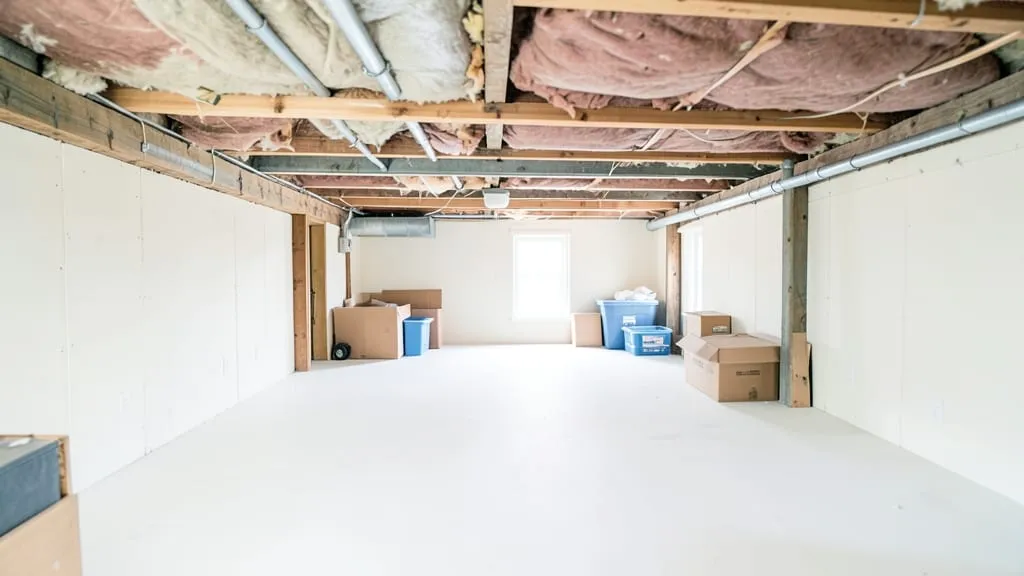
Mold growth in Hudson homes often starts quietly—behind drywall, under flooring, or in damp basements after heavy New England rains or snowmelt. When you discover it, the first question is usually whether your home insurance will foot the bill for professional remediation. The answer isn’t simple, but we’ll help you navigate the fine print and local nuances.
When Home Insurance Typically Covers Mold Remediation
Standard homeowners policies in Massachusetts usually cover mold damage only if it results from a 'covered peril'—like a burst pipe, sudden appliance leak, or storm-related water intrusion. The key is that the cause must be accidental and sudden, not gradual or due to neglect.
For example, if a frozen pipe bursts in your Marlborough or Maynard home and leads to hidden mold behind walls, your insurer may cover remediation. But if the mold stems from long-term humidity or a leaky roof you ignored, you’re likely on your own.
Take photos and videos of the water damage and mold as soon as you find it. This evidence is critical when filing a claim with your insurer.
Common Exclusions in Hudson-Area Policies
Most policies explicitly exclude mold caused by flooding, which is common in low-lying areas near the Assabet or Sudbury Rivers. Flood damage requires a separate NFIP or private flood policy—standard home insurance won’t cover it.
Other exclusions often include mold from poor ventilation, high humidity, or maintenance failures. In older Hudson homes or those in Nashua or Framingham, aging plumbing or outdated HVAC systems can be a recurring source of uncovered mold issues.
Sewage backups are another gray area. Some policies cover them; others require a separate endorsement. Given Hudson’s older sewer infrastructure, this is worth clarifying with your agent.
How Mold Remediation Coverage Limits Work
Even when mold is covered, insurers often cap payouts. Some policies limit mold remediation to $10,000–$50,000, while others offer no sublimit but may restrict coverage to the cost of repairing the underlying damage (e.g., fixing the pipe, not the full remediation).
In Massachusetts, insurers are required to disclose mold coverage limits upfront. If your policy is silent on mold, assume it’s excluded. Always request a copy of your declarations page to confirm.
| Scenario | Likely Covered? | Notes |
|---|---|---|
| Sudden pipe burst leading to mold | Yes | If reported promptly and mitigated |
| Gradual roof leak causing attic mold | No | Considered maintenance-related |
| Floodwater from river overflow | No | Requires separate flood insurance |
| Sewage backup in basement | Maybe | Often requires an endorsement |
| High humidity in crawl space | No | Excluded as preventable |
| Storm damage with secondary mold | Yes | If storm is a covered peril |
Steps to Take Before Filing a Mold Claim in Hudson
First, stop the water source if it’s still active. Then, contact a licensed Mold Inspection and Mold Testing professional to assess the extent. DIY tests won’t hold up with adjusters—third-party lab reports are essential.
Next, mitigate further damage. This might mean running dehumidifiers or sealing off the area with containment barriers. Insurers expect you to prevent additional loss, and failure to do so can void coverage.
Pre-Claim Mold Action Plan
- Shut off water or power if safe to do so
- Call a certified mold inspector for documentation
- Take photos/videos of damage and mold growth
- Begin drying the area with fans or dehumidifiers
- Avoid disturbing mold to prevent spore spread
- Contact your insurance agent to start the claim process
What to Expect During the Insurance Claim Process
Your insurer will send an adjuster to inspect the damage. They’ll review your policy, the cause of the mold, and the inspector’s report. Be prepared for pushback—adjusters often argue that mold is due to neglect, not a covered event.
If approved, the insurer may pay for Mold Removal and Remediation, but they’ll likely use their preferred vendor. You have the right to choose your own contractor, but you’ll need to justify the cost. In Hudson, local remediation companies like ours work directly with adjusters to streamline approvals.
Insurers may deny claims if you wait too long to report mold. In MA, most policies require notification within 30–60 days of discovery.
When to Consider Additional Coverage or Endorsements
If your Hudson home is in a flood-prone area near the Assabet River or in a neighborhood with older plumbing, consider adding endorsements. A water backup endorsement can cover sewage or drain backups, while a mold rider may expand coverage limits.
For high-value homes in areas like South Lancaster or Westborough, a scheduled personal property endorsement can provide extra protection for belongings damaged by mold. Always weigh the cost of endorsements against the risk in your specific property.
The Hidden Costs of Uncovered Mold Remediation
Without insurance coverage, mold remediation costs can escalate quickly. Factors like the size of the affected area, the type of mold (e.g., toxic black mold vs. common species), and the need for structural drying or HVAC Mold Remediation all drive up the price.
In extreme cases, untreated mold can lead to structural damage, requiring Water Damage Restoration or even temporary relocation. For commercial properties in Hudson or nearby Devens, business interruption costs can add another layer of financial strain.
Preventing Future Mold Issues in Hudson’s Climate
Hudson’s humid summers and cold, wet winters create ideal conditions for mold. Proper ventilation in attics and crawl spaces, regular HVAC maintenance, and prompt attention to leaks can prevent most issues. Basement Mold Remediation and Crawl Space Mold Remediation are common needs in older homes.
For peace of mind, consider annual Mold Inspection and Air Quality Testing, especially if you’ve had past water damage. Proactive Mold Prevention and Moisture Control measures are far cheaper than remediation—and they keep your insurance claims history clean.
How to File a Mold Remediation Insurance Claim in Hudson
Filing a mold claim requires careful documentation and prompt action.
- 1Stop the Source
Immediately address the water intrusion or moisture source to prevent further damage. Use tarps, towels, or shut-off valves as needed.
- 2Document the Damage
Photograph and video the mold, water damage, and affected areas. Note the date and time of discovery.
- 3Call a Professional Inspector
Hire a licensed mold inspector to assess the extent and cause. Request a detailed report with lab results for spore identification.
- 4Notify Your Insurer
Contact your insurance agent or company to start the claim. Provide your policy number, documentation, and inspector’s findings.
- 5Work with the Adjuster
Schedule the adjuster’s inspection. Be present to point out damage and share your documentation. Ask for a timeline for their decision.
- 6Choose a Remediation Contractor
Select a licensed Mold Remediation specialist. If using your own contractor, ensure they’re experienced with insurance claims and can provide detailed estimates.
Frequently Asked Questions
Does home insurance cover black mold remediation in Hudson?
It depends on the cause. If black mold (Stachybotrys) results from a covered peril like a burst pipe, it may be covered. However, if it’s due to long-term humidity or neglect, it’s typically excluded. Always check your policy’s fine print.
Will my insurance pay for mold testing before remediation?
Most standard policies don’t cover proactive Mold Testing or Air Quality Testing. However, if testing is part of the claim process to determine the cause and extent of damage, some insurers may reimburse it. Ask your adjuster upfront.
What if mold is found during a home inspection in Hudson?
Mold discovered during a real estate transaction is almost never covered by insurance. Sellers are typically responsible for remediation before closing, or buyers may negotiate repairs into the purchase agreement.
Can I be denied coverage if I try to clean mold myself first?
Yes. DIY cleanup can worsen the problem or be seen as failure to mitigate. Insurers may deny claims if they believe improper handling led to further damage. Always consult a professional before attempting remediation.
Are there Hudson-area insurers that offer better mold coverage?
Some carriers offer more comprehensive mold endorsements than others. Local agents familiar with Hudson, Marlborough, or Nashua’s risks can help you compare options. Riders for water backup or mold-specific coverage are worth exploring.
What if my claim is denied? Can I appeal?
Yes. If your claim is denied, request a written explanation from your insurer. You can appeal with additional evidence, such as a second inspection report or expert testimony on the cause of the mold. A public adjuster may also help.